
When Supply Chains Are Tested, the Cold Chain Becomes the Stabilizer
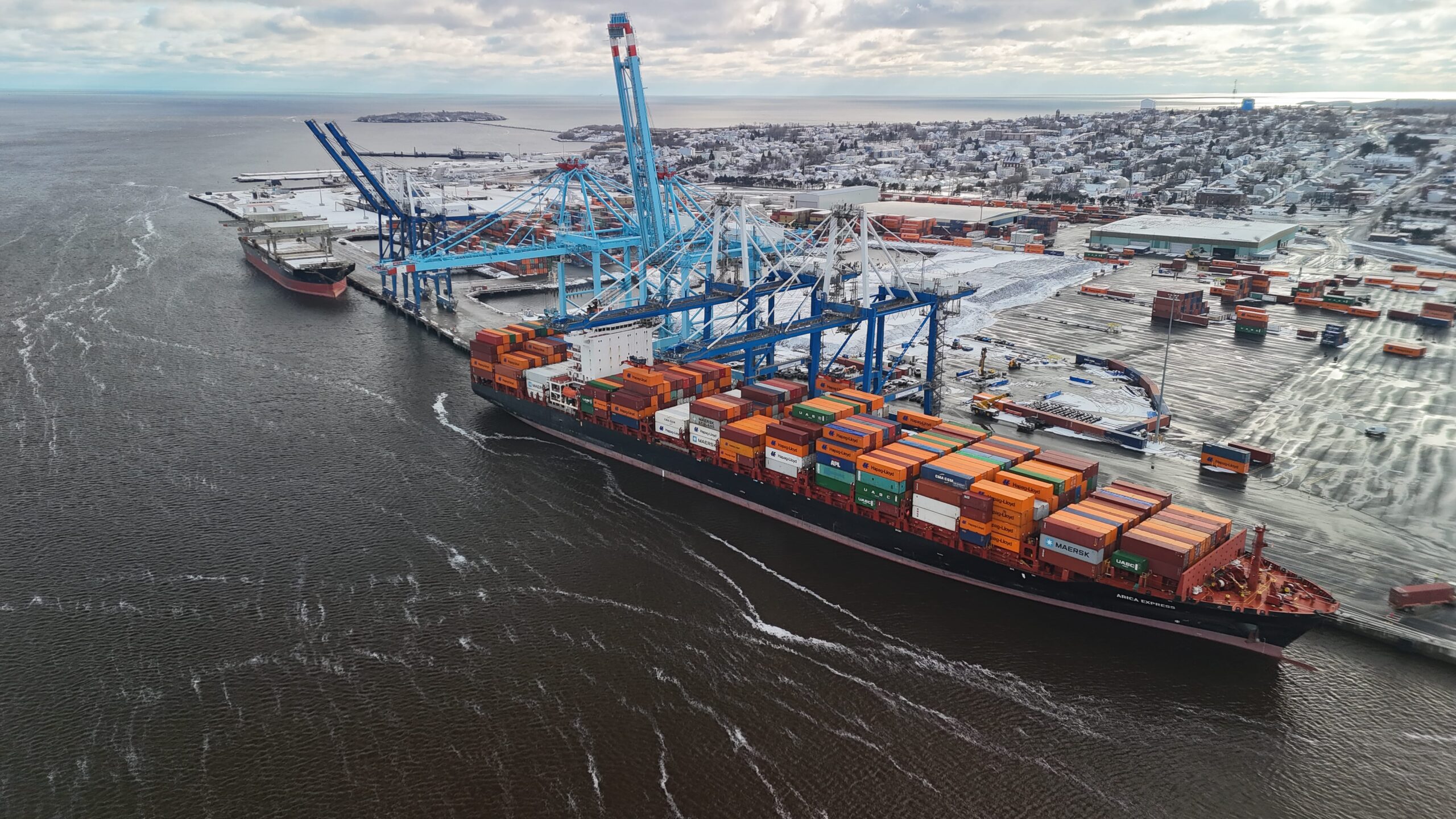
When global trade routes shift — whether due to geopolitical tension, weather events, or equipment imbalance — the pressure on temperature‑controlled supply chains increases immediately. For perishable goods, even small disruptions can create outsized risk.
In today’s environment, inventory is spending more time closer to origin and at intermediate nodes. Transit windows are less predictable, dwell times are longer, and product age becomes a greater factor in decision‑making.
That’s why the cold chain isn’t just a link in the supply chain. It’s the part that protects quality, maintains continuity, and gives shippers options when conditions change.
At Americold, three themes are emerging across our global network as customers navigate today’s operating environment.
1. Continuity and quality must be protected as routing becomes more complex
Speed still matters. It always will.
But as carriers reroute, airspace tightens, and transit times extend, inventory is spending more time at origin and intermediate points — increasing the risk associated with aging product.
In this environment, customers need reliable, high‑integrity nodes that can absorb variability and extended dwell time without compromising product quality.
Cold storage isn’t a pause point — it’s a protection point.
It gives shippers the flexibility to adjust plans while keeping product safe, conditioned, and ready for the next leg of its journey — even when timelines shift and inventory sits longer than expected.
2. Visibility is now a performance requirement, not a feature
With routing patterns and equipment availability shifting more frequently, customers need clarity to make confident, timely decisions.
Visibility tools that track temperature, monitor dwell time, and provide predictive ETAs help customers:
- Anticipate risk
- Adjust routing
- Protect shelf life
- Maintain service levels
Visibility doesn’t slow the supply chain — it strengthens it.
It enables proactive decisions that reduce waste, preserve value, and maintain trust with downstream partners.
3. Strong regional infrastructure is now a global advantage
As trade flows adjust, certain regions become more important to global continuity. The Middle East is one of them.
Through our joint venture with RSA Cold Chain in Dubai, Americold is reinforcing a critical logistics corridor that connects Asia, Europe, and Africa. This regional strength supports global resilience — giving customers a trusted, high‑integrity hub when routing patterns shift and inventory needs to wait, condition, or reposition.
We’ve built a network designed to support customers through ongoing change in global trade dynamics.
A tightening reefer market underscores the need for flexible storage and conditioning options
Reefer equipment is in high demand globally, and repositioning cycles are increasingly constrained as routing patterns shift.
As a result, products are spending more time waiting to move — and customers need access to the right type of storage at the right temperature, whether ambient, cool, or frozen, to protect quality and manage shelf life during periods of uncertainty.
Cold storage capacity, temperature‑appropriate storage options, conditioning services, and strong regional hubs help customers maintain product integrity even when equipment availability is limited or transit timing extends.
This is where the cold chain becomes a strategic asset — not just an operational one.
The real question isn’t about speed or cost
How do we protect quality, maintain continuity, and stay flexible as global conditions evolve? A resilient, integrated cold chain provides that confidence.
It gives customers the infrastructure, visibility, and optionality they need to keep product safe and supply chains moving — no matter how the global landscape shifts.
To explore how Americold’s global network supports supply chain resilience, visit our Import/Export page.